Ask ten people what they want from wrinkle treatments and eight will say the same thing: look rested, not frozen. Baby Botox lives in that sweet spot. It is a light-touch approach to botulinum toxin injections that softens movement without erasing it. When it is planned with care and delivered by a certified injector who reads faces the way a tailor reads fabric, the result looks like you on a good day.
I will walk through how baby Botox differs from traditional dosing, where it works best, what a typical appointment looks like, the numbers that matter, and the trade-offs you should weigh before booking. This is drawn from years of treatment planning, thousands of faces, and plenty of follow-up appointments where the real learning happens.
What baby Botox actually means
Baby Botox is not a different product. It is the same family of neuromodulators used in cosmetic Botox injections, most commonly onabotulinumtoxinA, but it can also refer to equivalent products like abobotulinumtoxinA or incobotulinumtoxinA. The “baby” refers to dose strategy, not age or brand. It generally involves smaller units per injection site, more superficial placement, and a more conservative spread. The goal is subtle botox modulation of muscle activity instead of complete paralysis.
With classic wrinkle botox, we map the dominant muscles driving forehead lines, frown lines, or crow’s feet, and we dose to smooth the movement across the whole area. With baby Botox, we dose in micro-aliquots that soften the action rather than flatten it. That means you can still knit your brows, lift your forehead, and smile with your eyes, just with fewer etched lines and less bunching.
A practical example: a traditional treatment for moderate forehead lines might use 10 to 20 botox units across the frontalis, adjusted to brow position. A baby Botox plan for the same forehead could use 4 to 10 units in total, placed in more points with smaller amounts per site. Less product, more precision.
Why subtle dosing has become the default request
There is a difference between “I don’t want wrinkles” and “I want my face to be expressive.” Most new patients today ask for natural looking botox because they have seen over-treatment. A heavy-handed approach can drop the eyebrows, make the smile feel pinned, or lend a plastic sheen to the skin. Baby Botox relies on restraint and muscle literacy, which helps avoid those pitfalls.
The second driver is prevention. Preventative botox, sometimes called preventive botox, aims to dial down repetitive motion early so lines don’t carve in deeply. In this context, lower doses are often enough. You do not need 20 units in a frown line if you are 28 with faint elevens and strong brow control. Starting light leaves room to adjust and teaches you how your face responds before committing to higher doses.
The science in plain terms
Botulinum toxin injections block acetylcholine release at the neuromuscular junction. The muscle receives fewer “contract” signals from the nerve, so it relaxes. That is the entire mechanism behind cosmetic botox and medical botox uses. Smaller doses create a partial block. Think of it as dimming a light instead of flipping the switch. The benefit for facial botox is that dimming can smooth dynamic lines while keeping natural motion.
The onset and duration remain similar regardless of dose. Most people begin noticing botox results within 3 to 5 days, with full effect at around 10 to 14 days. How long does Botox last? The typical window is 3 to 4 months, with some seeing botox longevity of 2 to 3 months when doses are very conservative, especially in strong, active muscles. The lighter the dose, the shorter the duration tends to be. That is the trade: subtlety often means more frequent maintenance.
Where baby Botox works best
The upper face is the home base for wrinkle reduction. Baby Botox fits best in areas where full expression matters and skin is thin.
Forehead lines: Many people need very little forehead botox if their frontalis is already low-toned. Too much can drop the brows. A baby dose pattern across the upper third of the forehead keeps the brows lifted and preserves some lift for expression. We measure brow position and check habit lines before deciding on the exact map.
Frown lines: Those vertical “11s” between the brows respond beautifully to small doses if lines are not deeply etched. Frown line botox can be dosed in micro-aliquots into the corrugators and procerus while sparing the medial frontalis. If you scowl hard or the lines are present at rest, you might need a hybrid plan: baby dosing to start, then a small touch up at two weeks.
Crow’s feet: This is where subtle botox shines. Gentle dosing along the orbicularis oculi softens the smile crinkles without giving a rigid, glassy look. In some cases, adding a micro-dose just below the lateral brow gives a tiny lift and opens the eye, but only if brow position and lid anatomy allow it.
Bunny lines and lip lines: Smiles that scrunch the nose or feather fine vertical lip lines can benefit from a few carefully placed units. These are high-precision zones. Small miscalculations around the mouth can affect speech or drinking from a straw, so experience matters.
Masseter “softening”: Technically, this is a medical botox-adjacent aesthetic treatment for jaw slimming or clenching. Baby dosing can be used to test tolerance and effect, but the masseter often needs a more standard dose to make a visible change. Starting with lower units is prudent for first-timers to avoid chewing fatigue.
Brow balancing and micro-lifts: Micro-dosing at the tail of the brow or along the depressor muscles can fine tune asymmetries. These micro moves often define the difference between simply smoother skin and a refreshed, harmonious look.
Who makes a good candidate
If you want softening rather than a dramatic change, you are the intended audience. The best candidates have mild to moderate Ashburn VA botox appointments dynamic lines, want to maintain expression, and are open to gradual improvement. Preventive botox works well for people in their late 20s to early 40s with strong movement patterns but minimal etched lines. That said, age is not the deciding factor. Skin thickness, muscle bulk, and expression habits matter more.
If lines are deeply etched at rest, baby Botox alone may not fully erase them. That is not a failure of the product, it is a sign that the crease is structural and may need adjuncts like resurfacing or fillers. Set the expectation accordingly. You can soften the movement that worsens the wrinkle, which prevents further deepening, but you may still see the line in certain light.
What happens during a baby Botox appointment
A thoughtful botox consultation is the most important part of the visit. I ask patients to exaggerate expressions: raise the brows, frown, smile, squint. We map the lines in motion and at rest, and we watch how the brows and eyelids move together. Brow position is the compass of forehead dosing. If your brows sit low, we lighten the forehead units and focus more on the frown complex. If one side overpowers the other, we adjust laterally. I also ask about exercise habits, prior botox effectiveness, headaches or TMJ symptoms, and any history of eyelid droop. Photos give a baseline for botox before and after comparison.
The botox injection process itself is quick. We clean the skin, sometimes apply a brief ice touch for comfort, and use very fine needles. Most people describe the botox pain level as a small pinch with a fleeting sting. A typical baby Botox plan will involve more injection points than a standard dose because we are using smaller aliquots across more sites to sculpt rather than blanket. The actual injecting time is often under 10 minutes.
Afterward, I advise patients to keep pressure off the treated areas for a few hours, skip strenuous workouts and saunas for the day, and avoid lying flat for 3 to 4 hours. None of these steps are dramatic, but they reduce the chance of product migration. Botox recovery is minimal. Tiny bumps at injection sites settle within 20 to 30 minutes. Makeup can be applied later the same day if the skin looks calm.
Units, dosage, and pricing without the mystery
Patients often ask how many botox units they will need and what that means for botox cost. Typical on-label ranges for full treatments are often cited as 20 units for frown lines, 20 units for forehead, 24 units for crow’s feet, but those are just anchors. Baby Botox might use half or less of those amounts. Practical numbers I see frequently:
- Forehead in baby dosing: approximately 4 to 10 units spread across 4 to 8 points, tailored to brow height and forehead length. Frown lines with light control: approximately 6 to 12 units, adjusting for muscle strength and asymmetry.
That is the first of two lists in this article. Consider it a quick reference, not a prescription. Your anatomy may need more or less.
Pricing varies widely by region and provider. Many clinics charge per unit. In the United States, botox price per unit typically ranges from 10 to 20 dollars, with Ashburn VA botox major metros clustering around 12 to 18 dollars. Some clinics price by area, which can be economical for traditional dosing but less predictable for baby dosing. Affordable botox is not the same as a bargain. A trusted botox clinic with a certified botox injector and strong follow-up policies can save you money and frustration over time. Ask about botox deals or botox specials, but judge the offer by the injector’s track record and the clinic’s sterility and product sourcing.
Before and after, measured honestly
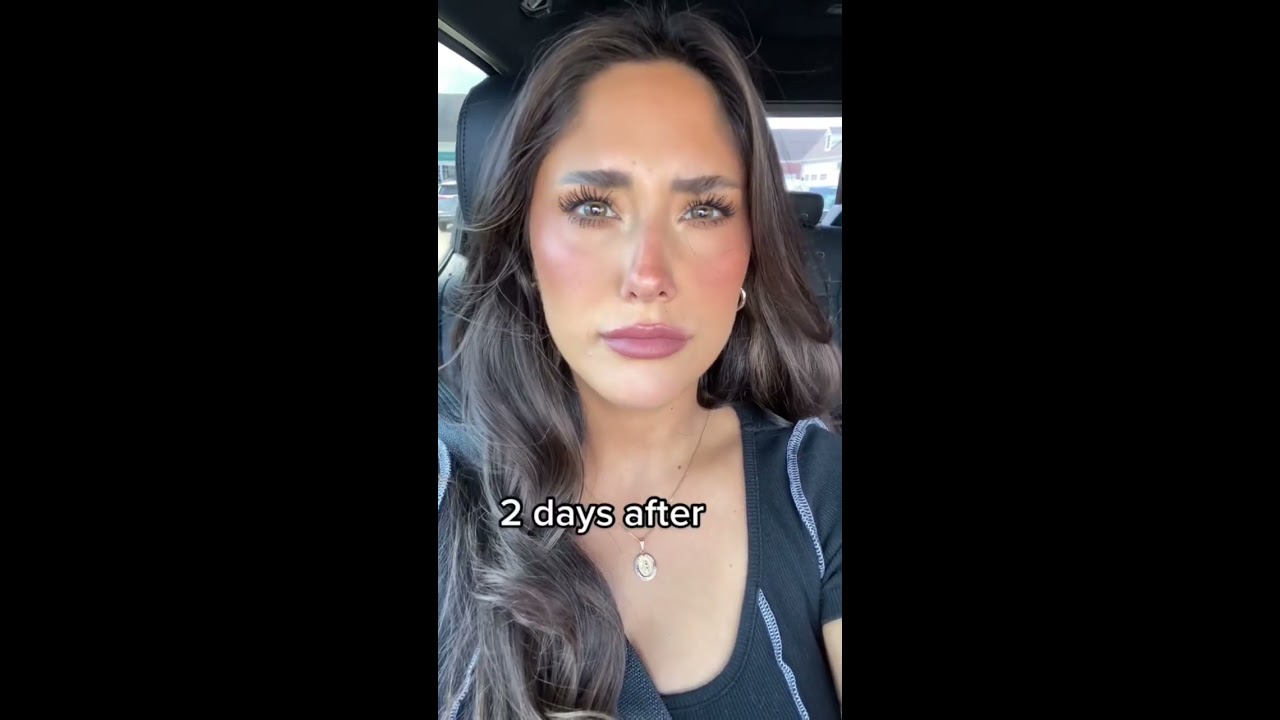
Baby Botox does not create a dramatic botox before and after. The change is more like a soft filter: fewer creases when you emote, less tiredness around the eyes, slightly lifted brows if planned that way. Many patients say coworkers ask if they slept better. That is the target.
Photographs are best taken in consistent lighting with the same expressions. I always document neutral face, raised brows, full smile, and frown at baseline and at the 2-week follow-up. If you cannot see a difference with expression, either the dose was too low for your muscle strength or your lines are largely static and may need resurfacing. A small touch up can often bridge the gap. The follow-up is where professional botox injections stand apart from one-and-done med spa visits.
Safety, side effects, and real risks
Botox safety is well established when the product is properly stored, reconstituted, and injected by trained clinicians. Still, no treatment is risk-free. The most common botox side effects are temporary: redness, swelling at injection points, mild headache, and occasional bruising. Bruises are more likely around the eyes due to the vascular network. These resolve in days.
Less common but significant risks include eyelid ptosis after glabellar or forehead injections if the toxin diffuses to the levator muscle. Conservative dosing and careful mapping reduce this risk. Brow heaviness can occur if the forehead is over-treated, especially in patients with a heavy brow or hooded lids. Small doses of baby Botox in the forehead can still cause heaviness if the brow depends on the frontalis to lift. That is why I always assess brow position at rest and during expression. Around the mouth, over-relaxation can cause lip asymmetry or difficulty with certain sounds. In the neck, poorly placed toxin can affect swallowing. This is why a botox specialist should handle off-label areas.
Allergic reactions are rare. If you are pregnant, breastfeeding, or have certain neuromuscular disorders, skip cosmetic injections. Provide a full medical history during your botox consultation, including supplements and blood thinners, which can increase bruising.
How to evaluate a provider
Skill with botulinum toxin is not just about placing needles. It includes reading facial anatomy, understanding how muscles counterbalance each other, and adjusting for individual habits. When choosing a botox provider:
- Look for a licensed medical professional with specific training in facial anatomy and a track record of safe botox treatment. Ask how often they perform botox cosmetic injections each week and how they handle complications. Review consistent, standardized before-and-after photos featuring expressions, not just neutral faces. Subtle botox results should still be visible when the patient smiles or frowns. Ask about their approach to baby Botox. A confident injector can explain botox dosage choices, planned botox units, and what they will adjust based on your brow position and line depth. Clarify the follow-up policy. Top rated botox practices welcome a 2-week check to fine tune dosing with a small botox touch up if needed. Confirm the product brand, storage protocols, and the clinic’s sterility standards. A trusted botox clinic will be transparent about these details.
This is the second and final list, by design. Everything else can be explained in conversation.
Maintenance and the rhythm of repeat treatments
Botox longevity depends on dose, muscle strength, metabolism, and how expressive you are. With baby dosing, expect 8 to 12 weeks before you feel full movement returning, sometimes longer if you are naturally less expressive or the area is small. Repeat botox treatments are usually scheduled every 3 to 4 months for upper-face areas. Athletes or those with high metabolic rates often clock closer to the 10-week mark.
The first year is about learning your response. Many patients settle into a pattern where they alternate subtle areas and heavier ones to keep the face balanced. For instance, a patient might keep frown lines light to preserve a hint of movement, but use standard dosing on crow’s feet to smooth the smile. That balance keeps expression while guarding against etched lines.
A small but useful tip: book your botox appointment two weeks before major events, not two days. This gives time for full effect and any minor adjustments. If you are trying baby Botox for the first time, start at a quiet period in your schedule so you can return for the follow-up without rushing.
Combining baby Botox with other treatments
No single treatment addresses all facets of aging. Expression lines respond to neuromodulators. Static lines and texture respond to resurfacing and collagen stimulation. Volume loss responds to fillers or biostimulators. A complete botox aesthetic treatment plan pairs light toxin with skincare and, when appropriate, energy-based or injectable treatments.
Chemical peels and fractional lasers help with fine etched lines that linger after movement is softened. Microneedling and retinoids improve texture. For forehead grooves that remain even with minimal movement, a micro-drop of filler in a cannula plane can help, but this requires a cautious, experienced injector due to vascular risk zones. Around the eyes, light resurfacing and diligent sunscreen support the smoothing you get from light crow feet botox.
My approach to natural results
I do not chase absolute stillness. The face is a system, not a series of isolated muscles. When I plan baby Botox, I start with the dominant pattern. If your frontalis pulls hard centrally and your lateral brow collapses, I lift by treating the frown complex and placing feather-light units high on the forehead, sparing the lateral frontalis so the brow can still lift. If your smile radiates through your eyes and creates crow’s feet, I treat just enough of the lateral orbicularis to reduce the fan lines while keeping the sparkle that makes you look like you.
Dose is a number. Effect is an art. Two people can receive 8 units in the glabella and show different outcomes depending on muscle bulk, skin thickness, and brow reliance. I document the map each visit, note your feedback at 2 weeks, and fine tune next time. Over a year, that iterative process yields the best, most natural looking botox.
Pain, downtime, and what a realistic day looks like
Most patients rate the discomfort as mild. If needles make you nervous, topical numbing is an option, though it is rarely needed for upper-face baby dosing. Plan 20 to 30 minutes in the clinic for consent, mapping, injections, and post-care review. You can return to work immediately. Avoid heavy workouts, hot yoga, or massages that press on the face that day. If a small bruise appears, it is typically easy to cover by the next morning.
Botox downtime is essentially social, not medical. If you are planning a photoshoot or a live event, allow a week cushion so the result is settled and any minor bruising has resolved.
Cost versus value, and the false economy of overcorrection
Patients sometimes think baby Botox is cheaper because it uses fewer units. Sometimes it is, sometimes not. If your clinic charges per unit, the math is straightforward. If your clinic charges by area, you may pay the same regardless of dose. The value comes from targeted dosing that meets your goals with fewer side effects and less risk of unintended heaviness. It is better to pay a fair botox price for a safe botox treatment that you love than to chase the least expensive option and spend months waiting for an overdone forehead to wear off.
If you are comparing offers, judge the full package: injector expertise, sterile technique, follow-up policy, and the clinic’s honesty about what baby Botox can and cannot achieve. The best botox is the one planned for your anatomy, not a template.
Common questions I hear, answered plainly
How long does it take to see results? Early changes appear by day 3 to 5. Expect the end point at around 10 to 14 days. That is why we schedule follow-ups at the two-week mark to consider a botox touch up.
Will I look frozen? Not if dose and placement are conservative and your injector respects your brow mechanics. If your goal is subtle botox, say so clearly and start light. You can always add at follow-up.
Can I start in my 20s? Preventative botox for strong expression patterns can be reasonable, especially for frown lines that crease early. Use minimal units and long intervals. The aim is training, not erasing.
What if I hate it? Botox for wrinkles wears off. If you dislike a result, it will soften over weeks. There is no reversal injection for botulinum toxin, which is why conservative first treatments are wise.
Is it safe long term? Data and decades of medical use support safety when administered correctly. The body clears the protein. There is no evidence that appropriate, spaced cosmetic use causes cumulative harm to facial muscles or skin. Overuse can blunt expression more than you intend, which is an aesthetic, not medical, concern.
When baby Botox is not the right tool
If lines are deep and present at rest across the board, baby dosing may not move the needle enough for your satisfaction. In that case, we discuss standard dosing, complementary resurfacing, or staged treatments. If your brow sits low, heavy forehead dosing risks a droop, and even light doses must be placed high and sparingly. Around the mouth, micro-dosing can help with a gummy smile or lip flip, but if you rely on strong lip movement for wind instruments or public speaking, consider whether that trade-off suits your life.
There are also budget realities. If your metabolism burns through light doses in eight weeks and you do not want frequent visits, a more standard dose might be more practical. A thoughtful injector will tell you this rather than keep you on a treadmill of tiny, short-lived tweaks.
The first visit blueprint
For a new patient curious about baby Botox for forehead lines, frown lines, and crow’s feet, I map a conservative plan. We start with low to moderate units in the frown complex to release the vertical elevens, minimal forehead units placed higher to protect the brows, and delicate placement at the outer eye to soften crinkling while preserving smile warmth. I take photos, document the total units, and schedule a two-week check. At that visit, we test expressions side by side with the baseline photos. If the forehead reads a touch heavy, we know we are at the upper limit for that anatomy. If a frown line still stamps at the end of the day, a 2 to 4 unit add-on often completes the job.
After two or three cycles, the map becomes personal. Some patients prefer crispness around the eyes and more movement in the forehead. Others prefer the opposite. The end result should read as you in better light, not a mask.
Final thoughts for choosing the subtle route
Baby Botox is a method, not a marketing term. It is restraint informed by anatomy, the willingness to listen to a patient’s goals, and the discipline to under-treat first. It works best in skilled hands, with honest dialogue, and with expectations set by real examples, not filters. If you want smoother skin, fewer etched lines, and the freedom to emote without self-consciousness, this approach can deliver exactly that.
Book a proper botox consultation with a qualified injector, bring photos of expressions you like in yourself, and be clear about your non-negotiables. Ask about units, rationale, and follow-up. With those pieces in place, baby Botox can be the most reliable way to look refreshed without broadcasting that you did anything at all.