Botox has a reputation for being quick and nearly effortless. You walk into a clinic with etched frown lines and walk out 20 minutes later with a plan to soften them. The treatment really can be that smooth, but the best results come from a combination of skilled technique, appropriate dosing, and thoughtful care before and after your appointment. I’ve treated thousands of faces over the years, and small choices around timing, skincare, and daily habits often separate a good outcome from a great one.
This guide covers what matters most when preparing for botox injections, what to expect during the botox procedure, and how to care for your results. It also explains the differences between cosmetic botox and medical botox use, how botox units and botox dosage play into a natural looking result, and why maintenance matters. Expect practical details, a few hard truths about botox risks and side effects, and a realistic plan for keeping your skin looking rested without looking frozen.
What Botox Does, and What It Does Not
Botox is the brand name most people use for botulinum toxin injections. When precisely placed, botulinum toxin temporarily relaxes targeted facial muscles that create expression lines. Overactive muscle pull can etch lines across the forehead, between the brows, and at the outer corners of the eyes. With the right placement and dose, those lines soften, and many patients notice smoother skin with less makeup creasing.
It does not lift the face in the way a surgical procedure would. It does not replace lost volume, and it does not erase static lines that are deeply carved into the skin from years of movement and collagen loss. That is why the best outcomes often combine botox for expression lines with good skincare, sun protection, and sometimes filler or device-based treatments for elasticity. Setting expectations at your botox consultation is essential. If your forehead lines are deeply etched at rest, botox can reduce their intensity, but you may still see faint grooves unless you pair the treatment with resurfacing or a series of microneedling sessions.
Who Is a Good Candidate
Most healthy adults who want to soften dynamic facial lines can consider botox. Whether you are looking at forehead botox for horizontal lines, frown line botox for the “11s” between the brows, or crow feet botox for the smile crinkles, candidacy comes down to anatomy, goals, and medical history. People with certain neuromuscular disorders, active skin infections at the injection site, or allergies to formulation components should avoid treatment. Pregnancy and breastfeeding are standard exclusions.
You do not have to wait for deep wrinkles to qualify. Preventative botox, also called baby botox or preventive botox, uses lower doses to gently train overactive muscles. In my practice, I often suggest light dosing in the frontalis for clients in their mid to late 20s who chronically raise their brows and already see faint horizontal lines. The goal is subtle botox that preserves expression but reduces crease formation over time.
How to Choose a Provider and Clinic
The skill of your injector affects outcomes as much as your aftercare does. Look for a botox specialist or certified botox injector who performs professional botox injections regularly, not just occasionally. Review before and after photos that show patients with similar anatomy to yours. Ask about complication management. A trusted botox provider will speak candidly about risks and how they handle problems like eyelid or brow heaviness.
Beware of purely price-driven decisions. Affordable botox exists, and botox deals or botox specials can be legitimate when a practice buys product in volume. But extreme discounts sometimes correlate with diluted product, inexperienced technique, or rushed appointments. The best botox experiences feel unrushed, with careful mapping, dose discussion, and informed consent.
Preparing for Your Botox Appointment
A thoughtful pre-treatment routine reduces bruising, swelling, and the risk of uneven results. Most of this is simple, and it pays off.
- Seven to ten days before: If your medical provider approves, pause nonsteroidal anti-inflammatory drugs like ibuprofen and naproxen, and hold high-dose fish oil, vitamin E, ginkgo, and garlic supplements. These increase bruising. If you take prescription blood thinners, do not stop them without explicit guidance from the prescribing clinician. Three days before: Avoid alcohol and high-intensity workouts that leave you flushed for long periods. Both can expand surface vessels and increase the chance of bruising during botulinum toxin injections. The day of treatment: Arrive with clean skin. Skip makeup, heavy moisturizer, and self-tanner on the injection zones. If you have a history of cold sores and are treating the upper lip for a “lip flip,” discuss prophylactic medication with your injector. Scheduling: Do not book botox right before a major event. Give yourself at least two weeks before weddings, photo shoots, or high-stakes presentations. That window allows the botox effectiveness to peak and any small bruises to fade.
A practical note on pain: Most patients describe the botox pain level as minimal, similar to a https://batchgeo.com/map/va-ashburn-botox quick pinch with slight pressure. Forehead and crow’s feet tend to be easier; the glabellar complex between the brows can feel sharper for a second or two. Ice and distraction help.
What Happens During the Botox Procedure
After a quick review of your goals, the injector will map your muscle patterns. For forehead botox, we evaluate the balance between the elevator muscle (frontalis) and the depressors (corrugator and procerus). Over-relax the frontalis and the brows can feel heavy; under-treat and lines persist. For frown line botox, precise placement into the corrugators and procerus softens the scowl without flattening your ability to look serious. Crow feet botox targets the orbicularis oculi to smooth the radiating lines near the outer eye while preserving a genuine smile.
Dosing is measured in botox units. A typical cosmetic treatment might use something like 10 to 25 units for the glabellar complex, 6 to 20 units across the forehead, and 6 to 24 units around the crow’s feet, distributed bilaterally. Those ranges vary by sex, muscle strength, metabolism, and desired softness. Baby botox trims those totals, sometimes using micro-aliquots spaced more widely to keep movement airy. Your injector should explain the botox dosage strategy and how it aligns with your goals for subtle botox or maximum smoothing.
The botox injection process itself lasts a few minutes. Expect a series of quick taps with a fine needle. Small raised bumps are common immediately after, like tiny mosquito bites, and typically settle within 10 to 20 minutes. Minor pinpoint bleeding can occur. If the practice uses topical anesthetic, add a few minutes for that to take effect.
Immediate Aftercare: The First Four Hours
Right after treatment, the goal is to keep the product in the intended tissue plane and minimize unnecessary spread. Avoid rubbing or massaging the treated areas. Do not lie flat for about four hours. Skip hats that press tightly against the forehead. Keep your head comfortably upright and maintain normal expressions rather than overworking the injected muscles. Light facial movements are fine, but exaggerated squinting or repeated brow raises are not necessary and may feel tender.
You can apply a cool compress gently if you have swelling or a small bruise. Avoid makeup for several hours to reduce contamination risk at the tiny injection points. If you must apply something before an event, choose clean tools and a light mineral powder rather than creamy products that encourage rubbing.
The First Two Days: Give It Time to Settle
Botox Ashburn VA botox results do not appear instantly. Most patients feel a soft “settling” between day two and day four, with full effect by day 10 to 14. During that window:
- Keep workouts moderate on day one. By day two, you can usually resume normal exercise unless your injector advised otherwise. Avoid saunas, steam rooms, and very hot yoga for 24 hours, ideally 48. Heat can increase vasodilation and a small risk of diffusion. Hold off on facials, microcurrent devices, gua sha, or aggressive skincare devices over treated areas for about a week. Gentle cleansing and moisturizing are fine.
If you see a tiny bruise, a dab of topical arnica or bromelain can help. A small, firm bead under the skin is uncommon but usually resolves as fluid disperses. If something feels off, contact the clinic rather than self-treating.
Easing the Risk of Common Side Effects
Most side effects are mild and self-limited: pinpoint bruises, headache for a day or two, tender spots where the needle entered. These do not reflect a poor outcome. Rarer issues include asymmetry, a heavy brow sensation, or temporary eyelid droop. The last stems from diffusion into the levator muscle that lifts the lid. It is uncommon and avoidable with careful technique and good aftercare.
When patients tell me their forehead feels heavy, it is usually a function of dose or distribution. Strong frontalis muscles that habitually lift the brow need enough support from well-placed units, but the injector must leave enough activity to keep the face expressive. If your brow position was already low, you may need a conservative forehead plan with more emphasis on frown line botox to reduce the downward pull and create a subtle lift. Honest conversation at the botox consultation phase helps prevent this mismatch.
Skincare That Plays Well With Botox
Botox for wrinkles pairs best with a calm, consistent skincare routine and sunscreen. You do not need a 10-step regimen. Focus on the basics:
- Daily broad-spectrum SPF 30 to 50. UV drives collagen loss and deepens lines. Consistent sunscreen is the single best way to improve botox longevity and protect your investment. A gentle cleanser and moisturizer morning and night. Avoid over-exfoliation that compromises your barrier. Nightly retinoid or retinol if your skin tolerates it. Retinoids do not replace botox, but they improve skin texture and collagen remodeling over time, which makes botox results look more refined.
If you plan a resurfacing treatment, chemical peel, or microneedling, schedule it either a week before botox or 10 to 14 days after, depending on the device and your provider’s protocol. Avoid same-day combinations that increase swelling or risk product spread.
How Long Does Botox Last, and What Affects Longevity
For most people, botox results last three to four months. Some hold closer to two and a half months, others stretch to five. Muscular strength, metabolism, dose, and injection technique all influence duration. The forehead often wears off a bit sooner than the frown lines, simply because the frontalis is thin and active all day. Crow’s feet land in the middle.
First-timers sometimes notice a shorter duration with their initial treatment, then reach steadier longevity by the second or third session. Habits matter too. People who consistently raise their brows during workouts, or spend hours squinting at bright screens, may burn through results faster. Good sunglasses, adequate screen brightness, and mindful posture help reduce unnecessary motion.
Pricing, Units, and What You’re Paying For
Botox cost is typically calculated either per unit or per treatment area. Prices vary widely by city, injector experience, and clinic overhead. As a ballpark, many practices charge within a range per unit that reflects clinical expertise. An area-based price might look like a package for the glabella or crow’s feet with a unit cap. Transparent conversations around botox price are healthy. Ask how many units your plan includes and what happens if you need a small tweak.
Affordable botox does not have to mean compromised results, but it should never mean unclear dosing or mystery product. If a botox clinic advertises unusually low prices, verify that they use FDA-approved botulinum toxin and that the injector can tell you exactly how many units you are receiving. The best botox is a combination of appropriate dose, precise placement, and a plan that considers your goals, not a race to the bottom.
Natural Looking Results: Technique Over Tension
The phrase natural looking botox gets tossed around so much that it risks losing meaning. In practice, it means respecting facial balance. The forehead works in concert with the brows and eyes. Over-relax the frontalis without addressing the corrugator muscles, and the middle of the brow can bunch. Treat the crow’s feet too aggressively, and the smile can look tight near the outer eye.
A skilled injector uses your expressions as a guide. I often ask patients to raise their brows, scowl, and give a wide smile so I can see peak pull. Some people need more support at the tail of the brow, others need restraint there to avoid lift. Small details, like placing a micro-aliquot just lateral to the midpupil line, can prevent “Spock” brows and maintain elegant arch. Subtle botox is not simply fewer units, it is the right units in the right place.
Timing Touch-Ups and Repeat Botox Treatments
Two timing decisions matter: when to evaluate and when to repeat. The appropriate time to judge your own botox before and after is around day 14, when the effect has stabilized. If a small asymmetry persists, many clinics offer a botox touch up at that point. A mini correction might involve 2 to 4 units, sometimes less, targeted to even out brow height or soften a stubborn line.
For maintenance, most patients return every 3 to 4 months. If you prefer very soft movement or have strong muscles, lean closer to three. If you like more expression and are comfortable with a bit of line return, four to five months is reasonable. Some patients alternate full treatments with lighter sessions, which can be a cost-conscious way to stay consistently polished. The cadence should fit your goals and lifestyle.
Combining Botox With Other Modalities
Botox for fine lines sets an excellent foundation. Layering other treatments can address texture and volume that botox alone cannot. Hyaluronic acid fillers help lift static creases and replace volume in the cheeks or temples that deepens folds below. Energy-based devices like radiofrequency microneedling and fractional lasers boost collagen and smooth etched-in lines that remain at rest, especially on the cheeks or upper lip.
If you are planning multiple interventions, sequence them thoughtfully. In many cases, I treat with botox first to calm muscle pull, then follow with filler and resurfacing after two to three weeks. If a patient needs only mild smoothing and better skin tone, we might skip filler entirely and pair botox with a series of gentle peels and consistent sunscreen.
Managing Risks and Knowing When to Call
Botox safety is well established when delivered by trained professionals. Still, every medical treatment carries risk. Call your provider if you experience persistent pain, rapidly spreading redness, fever, or visual changes. These are rare with botulinum toxin injections, but vigilance matters. Temporary headaches can occur in the first 24 to 72 hours. Over-the-counter acetaminophen is usually fine, but avoid NSAIDs if bruising is a concern unless your doctor advises otherwise.
A temporary eyelid droop, if it occurs, usually appears around day 3 to 7 and improves as the product wears off, typically within several weeks. Prescription eyedrops can help stimulate lift while you wait. Most importantly, communicate early. A responsive clinic can guide you, and timely advice eases anxiety.
Realistic Expectations for Different Areas
Forehead lines respond well, but the trade-off is maintaining enough lift so your brows do not feel heavy. A conservative starting dose, with a two-week check-in, works well for the first treatment. Frown lines between the brows often require a more definitive dose, because under-treating the corrugator muscles can leave the scowl intact and urge compensatory forehead lifting. Crow’s feet are delicate territory. A light hand prevents an over-smoothed look that flattens a smile.
For the chin, small doses can relax an overactive mentalis that dimples the skin. Around the lips, micro-dosing can soften vertical lines or create a subtle “lip flip,” but it also slightly weakens puckering. People who play wind instruments or rely on strong lip control might dislike that sensation. This is where discussing your lifestyle with your injector matters as much as the anatomy.
Special Cases: Medical Botox vs Cosmetic Botox
Cosmetic botox targets lines and expression management. Medical botox addresses conditions like chronic migraine, bruxism, and hyperhidrosis. The dosing and patterns differ, and the treatment often involves more extensive mapping. For jaw clenching and bruxism, masseter injections can slim the face and reduce tension, but they can also affect chewing tiredness for a short period. If you are seeking relief from a medical condition, consult a provider experienced in that indication rather than a purely aesthetic practice.
A Simple Two-Week Plan for Best Results
- Days 0 to 1: Keep your head upright for four hours, avoid rubbing, no hot yoga or sauna, light activity only, no makeup on injection points until the evening. Days 2 to 3: Expect early softening. Resume normal workouts, avoid facial massages and devices, wear SPF daily. Days 4 to 7: Most areas feel settled. Keep skincare gentle, continue sunscreen, watch for small asymmetries as you approach day 10. Days 10 to 14: Full effect. If needed, contact the clinic for a minor botox touch up. Take your botox before and after photos for your records. Ongoing: Maintain sunscreen, consider a nightly retinoid, schedule your next botox appointment in three to four months to sustain results.
When Results Don’t Match Expectations
Occasionally, the first pass misses the mark. Maybe the brow feels too still, or the lines are softer but still visible when you smile. That is not failure; it is feedback. Anatomy varies, and your lived-in expressions tell us where to adjust. If you want more movement, ask your injector to reduce units next time or to leave specific zones more active. If you still see lines, a firmer dose or additional sites might be appropriate. Sometimes the answer is not more botox at all, but resurfacing to soften static etching.
Honest dialogue beats guessing. Bring clear examples of expressions you want to keep, and expressions you want softened. A single short video of you talking under good light can be more helpful than a dozen photos.
Why Consistency Wins Over Big Swings
Skin and muscle respond best to steady, incremental care. People who hop between providers, chase the steepest botox deals, and swing from high doses to long gaps tend to see more variability. Patients who choose a top rated botox provider they trust, stick to a cadence, and keep up with sunscreen usually get the most natural, durable outcomes. They also avoid the panic of last-minute appointments before important events.
If budget is a factor, talk openly about it. A responsible plan might prioritize the glabella for a rested look, and treat the forehead and crow’s feet every other session. Spacing strategically maintains a refreshed expression without straining finances.
Bringing It All Together
Botox for facial lines is both straightforward and nuanced. The needlework takes minutes, yet the planning and aftercare determine whether the result looks quietly refreshed or obviously “done.” Aim for a safe botox treatment delivered by a clinician who explains the logic behind your botox units and placement, prepare with simple steps that reduce bruising, and give the product a full two weeks to show you its work. Protect your skin from the sun, pair botox with a sensible skincare routine, and schedule repeat botox treatments before the effect fully fades if you like a consistently smooth look.
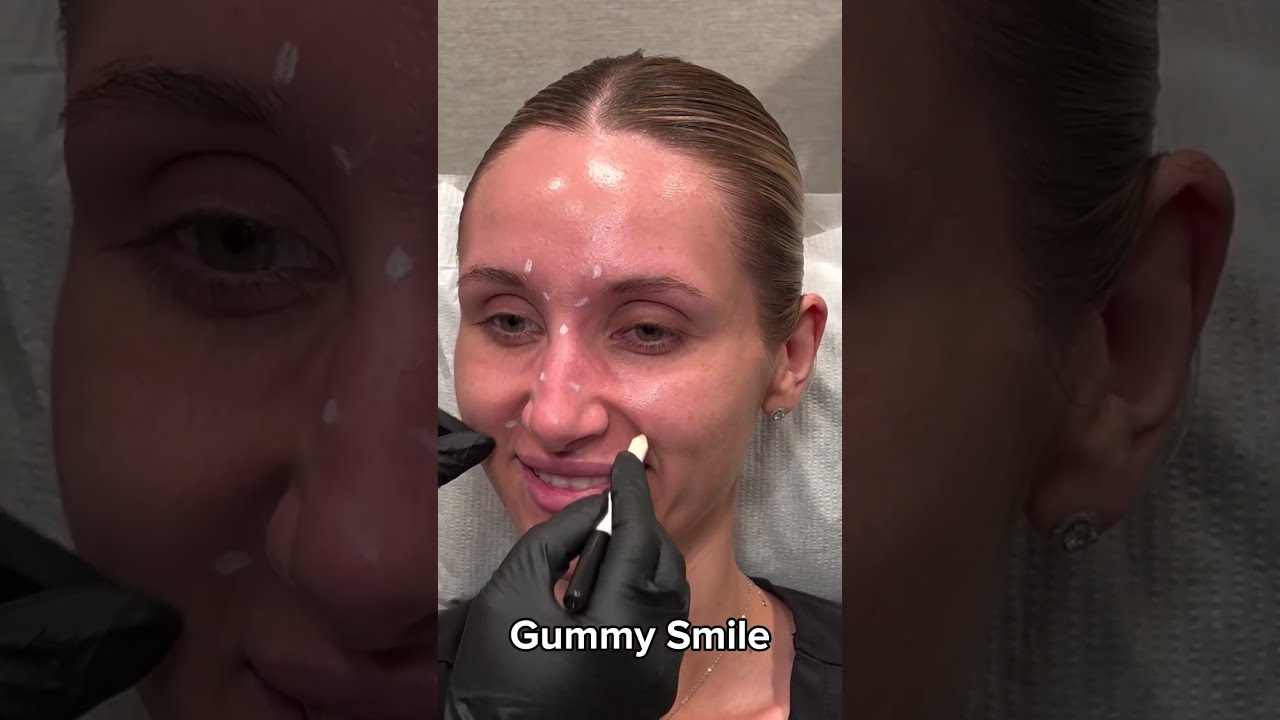
When you see botox as a collaboration rather than a quick fix, you get more than a wrinkle reduction. You get control over your expression story: less scowl when you’re focused, fewer forehead lines etched by stress, and eyes that still smile when you do. That balance is the hallmark of the best botox results, and it starts with care on both sides of the needle.